

Pregnancy Care
We provide comprehensive care — starting with preparation for conception, professional supervision throughout the entire pregnancy, and concluding with support for initiating breastfeeding.
Pregnancy care involves a gynecologist, midwives, and an ultrasonography specialist; physiotherapists and/or psychologists may also be included.
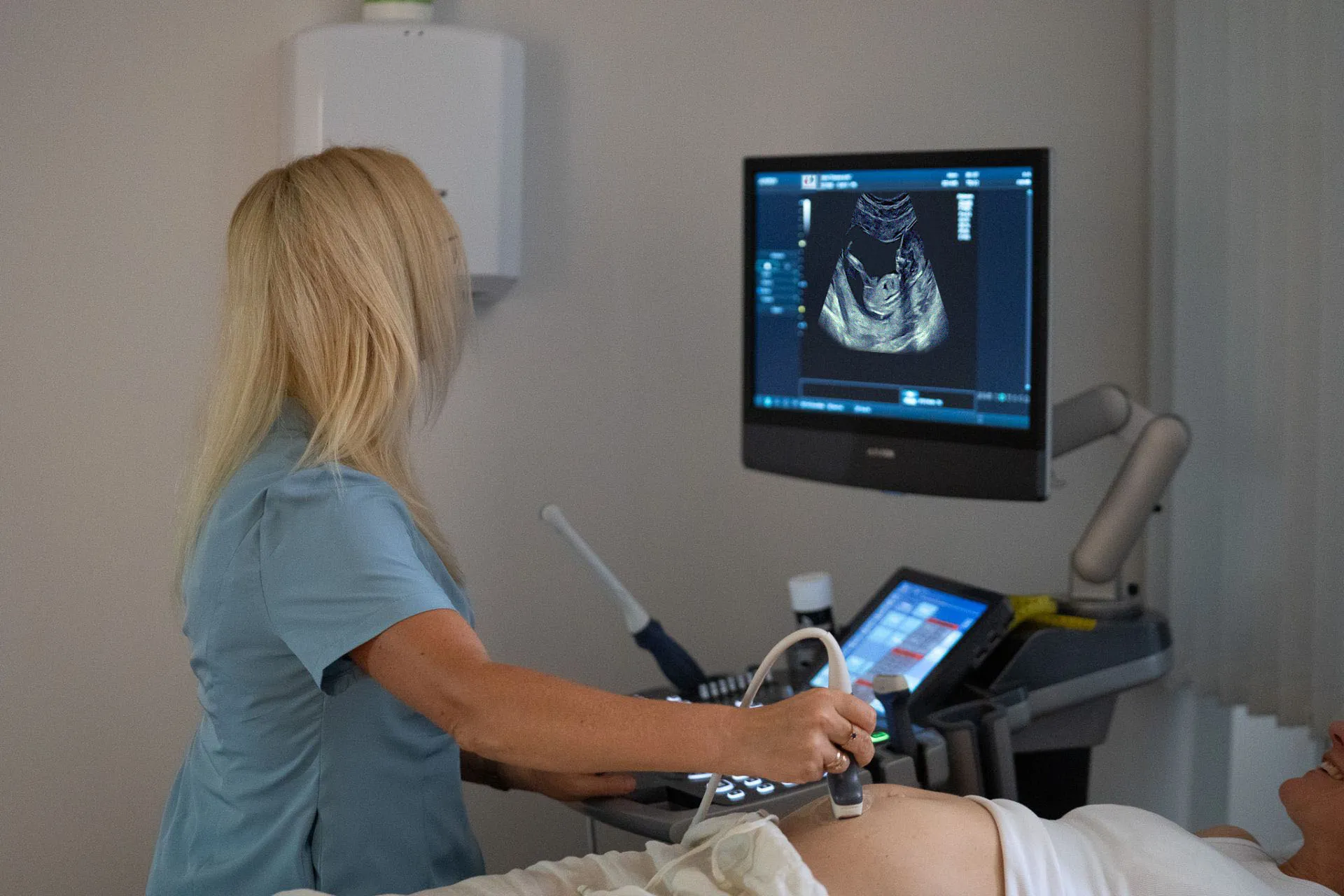
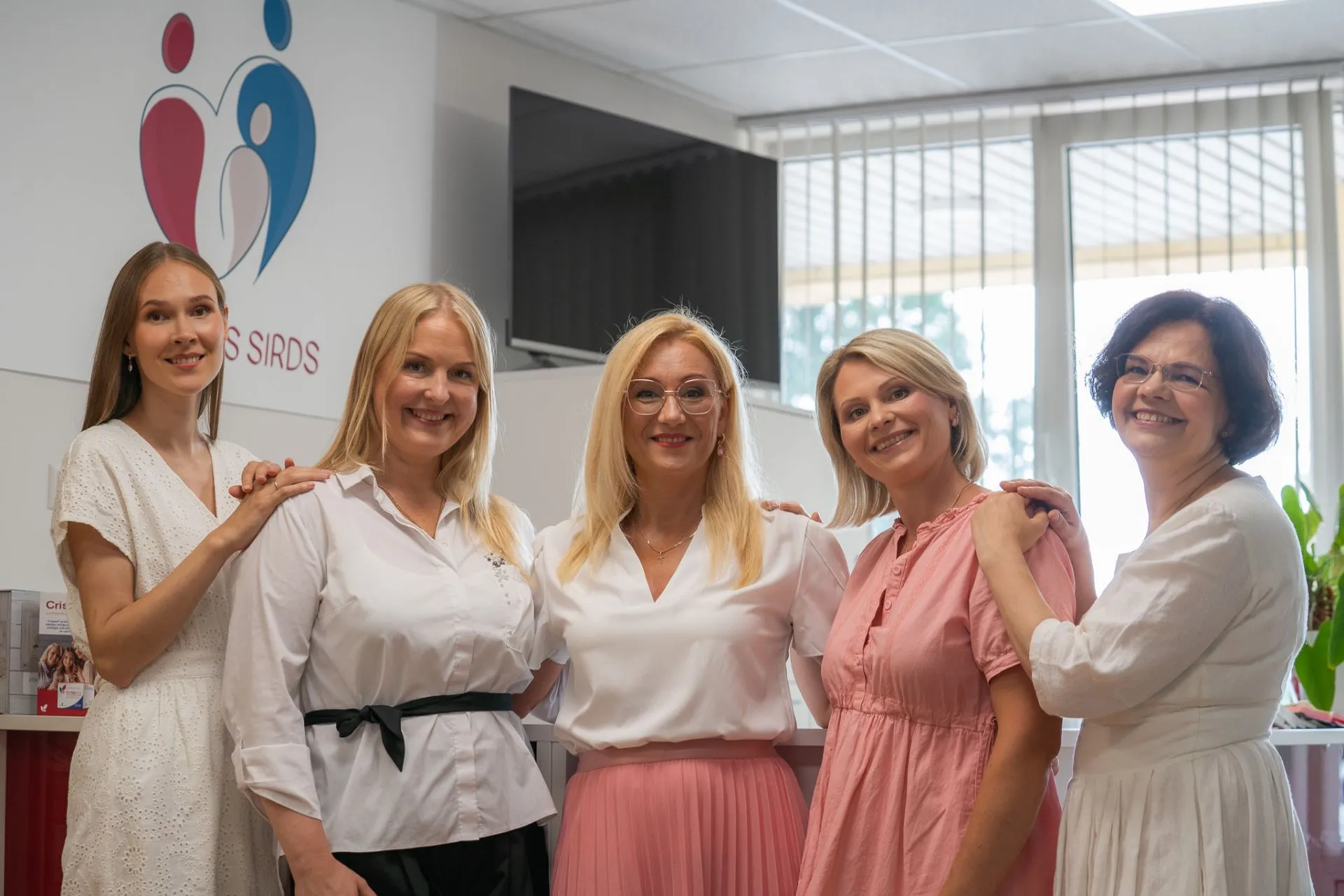
We believe the best care is provided by midwives, because research shows that midwife-led care delivers the greatest psycho-emotional support during pregnancy, and their professionalism allows earlier detection of complications when gynecologist or another specialist involvement is needed.
We aim to provide all services in one visit — the consultation, ultrasound when indicated, blood testing, and CTG registration if needed. We are very happy to welcome the whole family who arrives together as a support team, so we can share the joy of this waiting time together.
During the visit, all required tests are taken (blood tests, various biological samples, including NIPT test) to monitor both the mother’s and baby’s well-being.
The Patient Rights Law stipulates that in Latvia every person, regardless of age, nationality, or social status, has the right to refuse a proposed examination or treatment both before it begins and during the course of treatment, as well as to refuse a specific method used in treatment without refusing medical care as a whole, provided that this refusal is clearly confirmed in writing.

Ģimenes sirds Pregnancy care
The first visit is preferred at 8-10 weeks of pregnancy (calculated from the date of last menstrual period). Earlier booking is only needed in an urgent situation (for example, bleeding or pain), after contacting us.
The first visit to the midwife, if:
- there are no other illnesses
- you have visited a gynaecologist within the last 2 years and no gynaecological disease was found
- this is your first pregnancy
- this is a repeat pregnancy and previous pregnancies or births did not involve serious complications
A visit to a gynecologist is required if:
- there are serious comorbidities which could affect the course of pregnancy
- gynecological health issues (uterine fibroid, endometriosis, cervical dysplasia, history of spontaneous miscarriage)
- if the last birth was by Caesarean section, then an early ultrasound is needed
- you have not had a preventive gynecological check in the last 3 years
During the first visit and, if necessary, again in weeks 12-14, the midwife or gynecologist evaluates the pregnancy risk level and prepares a pregnancy-care plan.
Low-risk pregnancies continue care with the midwife. Medium-risk pregnancies may be supervised by the midwife under gynecologist oversight. High-risk pregnancies are managed by the gynecologist.
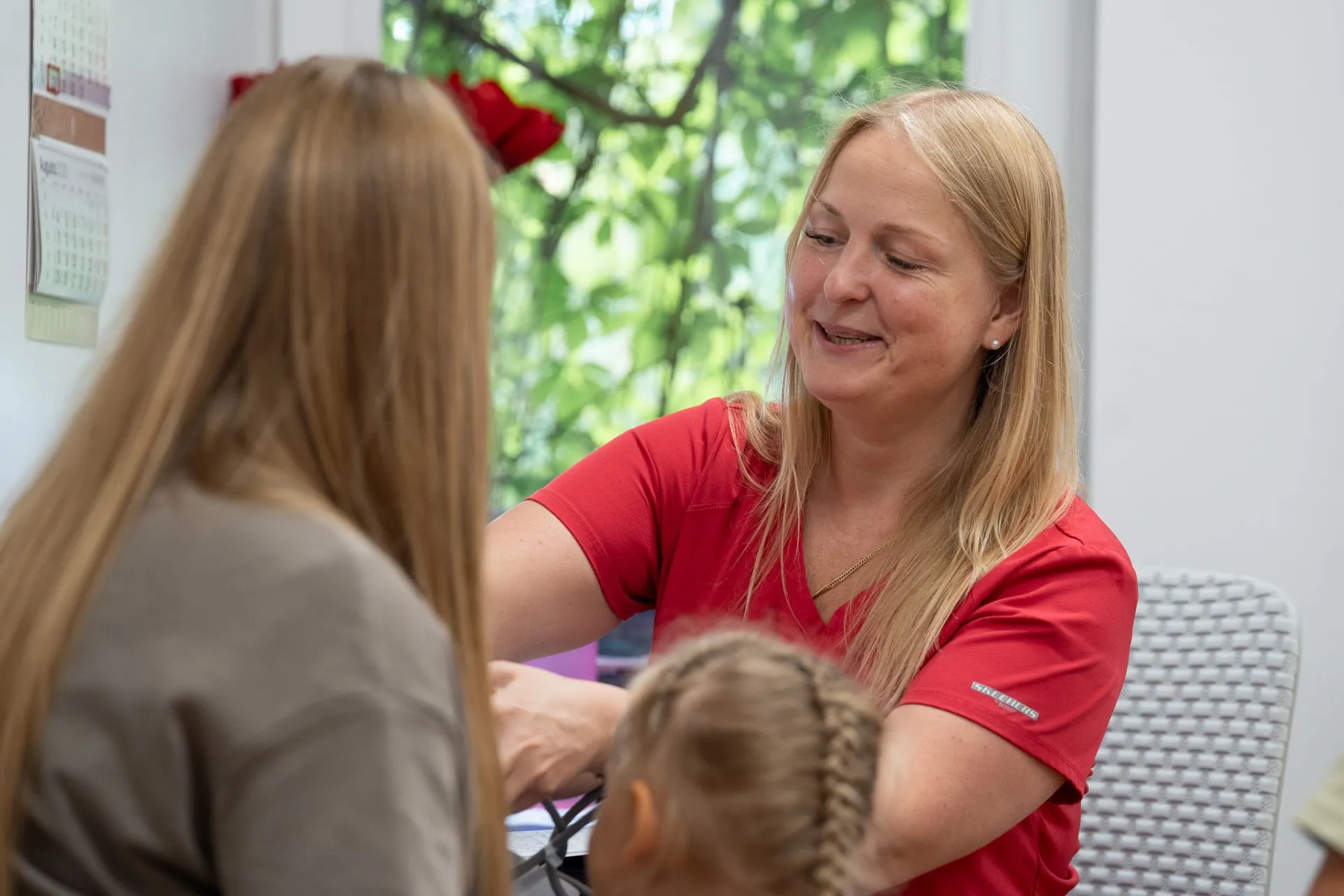
Baiba Stikute
Midwife, fertility consultant
- Certified midwife with 15 years of experience
- Home birth midwife with over 10 years of professional experience
- Preconception consultations when planning pregnancy
- Pregnancy care
- Postnatal visits, including home visits during the postpartum period
Note: For low- and moderate-risk pregnancies, state-funded antenatal care is available with midwife Baiba Stikute
(State funding covers midwife consultations and tests prescribed by the midwife in accordance with Cabinet Regulation No. 611; all other pregnancy-related expenses, such as ultrasound examinations, are covered by the patient.)
- As a Fertility Management Consultant, she offers:
- Family planning consultations
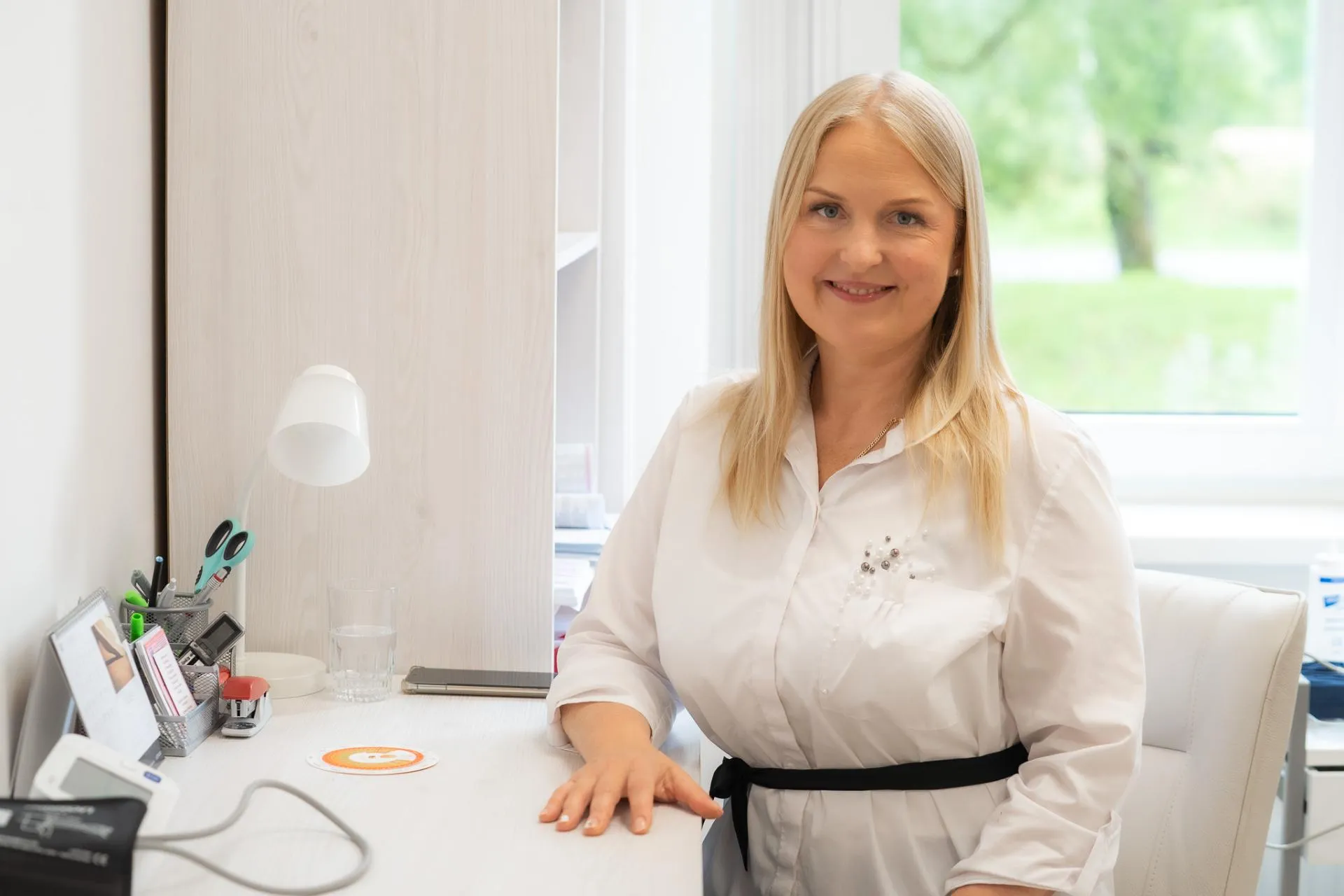
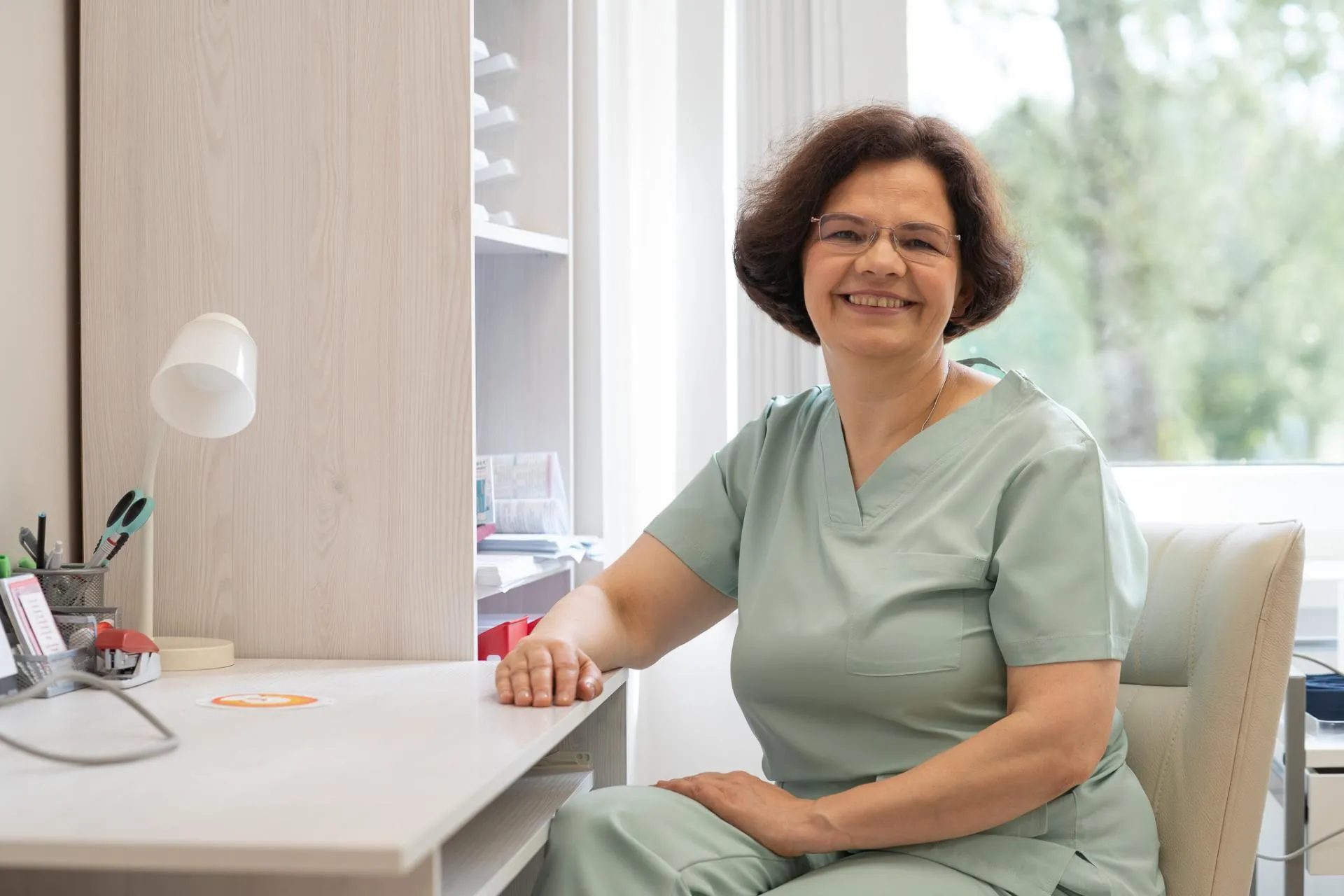
Māra Grieze
Midwife, psychotherapy specialist in training
- Certified midwife (also teaches future midwives at Rīga Stradiņš University and Rīga 1 Medical College)
- Psychotherapy specialist in training
- Pregnancy care
- Pre- and post-natal visits
- Home visits in the postpartum period
- Contract births at Sigulda Hospital
- Psychotherapy sessions for women before and after childbirth
- Emotional and spiritual preparation is, in our view, just as important as physical preparation for childbirth.

Liene Drauga
Midwife
- Certified midwife
- Breastfeeding consultant
- Mediator
- Offers:
- pregnancy and monitoring care,
- pre- and post-natal consultations in clinic or at home,
- breastfeeding consulting,
- contract births at Sigulda Hospital,
- mediation services for family,
- patient-clinician conflict situations,
- happily advises adolescents and young women about body changes and reproductive health.

Beāte Agneta Kondratjuka
Midwife
- Certified midwife
- Breastfeeding consultant
- Offers:
- physiologically normal pregnancy care and monitoring,
- pre-, the childbirth, and post-natal consultations in the clinic or at home,
- newborn care,
- postpartum exercise for mothers,
- adolescent and young-women consultations on reproductive health and body changes.
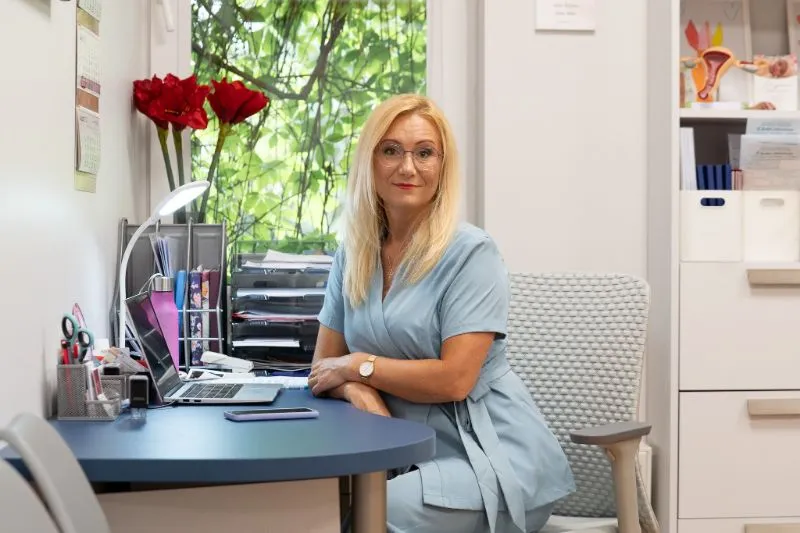
Aiga Rotberga
Gynecologist and Obstetrician, Obstetric and gynecological ultrasonography specialist
Performs pregnancy care for high-risk pregnancies and consults for various pregnancy complications.
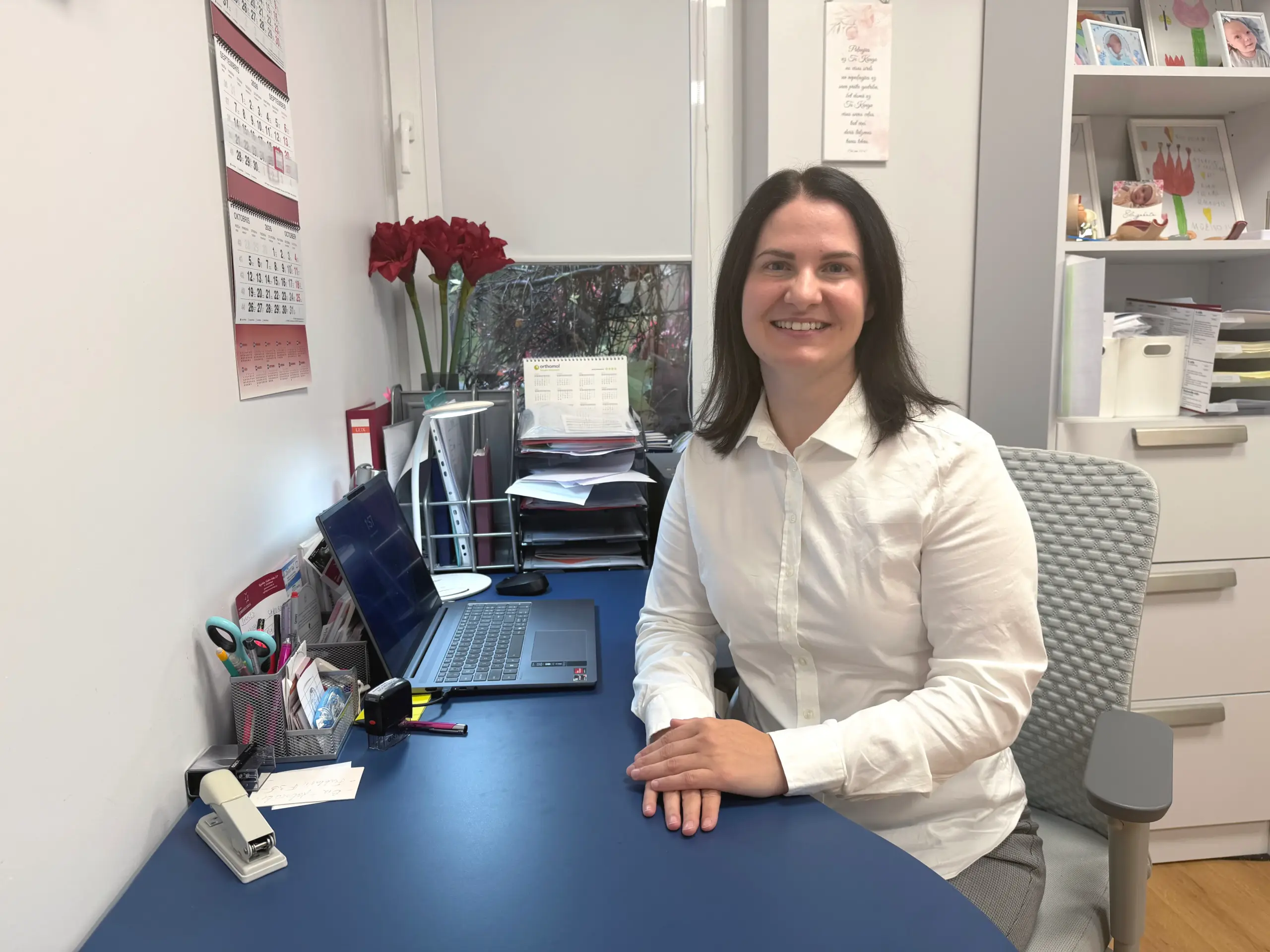
Lāsma Tauriņa
Gynecologist and Obstetrician, Obstetric and gynecological ultrasonography specialist
Providing high-quality medical care goes hand in hand with listening attentively, explaining clearly, and creating a sense of safety and reassurance at every appointment. She strives to build a relationship based on trust, so that every patient feels heard and understood.
Ultrasound
Ultrasonography (USG) is one of the widely used, harmless, and painless diagnostic methods that can also be safely performed on pregnant women.
CTG
Cardiotocography (CTG) is a simultaneous recording of fetal heart rate and uterine tone for at least 20 minutes. CTG helps assess the baby’s well-being. It is particularly important as childbirth approaches and when labour is delayed.
NIPT test
What is NIPT?
NIPT (Non-Invasive Prenatal Testing) is an additional genetic screening test that provides a more accurate assessment of chromosomal risk.
- NIPT is used as a screening test to assess the risk of genetic conditions in order to avoid unnecessary invasive procedures that may potentially endanger the pregnancy.
- NIPT results cannot be considered diagnostic, as the test analyzes placental genetic material present in the mother’s blood, which in rare cases (less than 2%) may differ from the genetic material of the fetus.
- Therefore, if the NIPT result indicates a high risk, an invasive DNA test must be performed to confirm the findings.
Project ENTER: Innovative prenatal care and consulting
Project ENTER is a significant step in improving prenatal care by offering a vision for more accessible, cost-effective and higher-quality services for expectant mothers in Latvia. It emphasises non-invasive prenatal screening/testing (NIPT).
Within Project ENTER, four organisations — the Health Technology Competence Centre in Estonia, the Latvian laboratory “GenEra”, and the clinics “Family Heart” and “Dubultu Doctorate” — have joined forces to provide quality prenatal care and consulting using modern genetics and digital technology.
Goals: The main goals include building modern digital data-exchange and online consultation systems, while validating their effectiveness via a study with 300 patients.
Using the existing Estonian NIPT service (NIPTIFY), ENTER aims to provide testing opportunities to providers in Vidzeme, the Riga region and other cross-border Estonia–Latvia regions, thereby improving prenatal-care quality.
In Latvia approximately 16,000 births are registered each year, of which 15% require NIPT due to the risk of fetal chromosomal disorders. However, testing availability and cost are critical. Current high test costs and lack of interpretation expertise limit patient access to these important services.
Collaboration with the Estonian biotechnology company CCHT, which successfully introduced NIPTIFY, promises to deliver significant support, enabling comprehensive service provision. By sharing experience across regions, private clinics can offer genetic services without needing full expert competency in each region. ENTER intends to break away from the dominant structures, thereby improving quality and accessibility by integrating digital, genetic and clinical competence.
Funding: The project’s total funding is €607,700, with 80% financed under the Estonia–Latvia Interreg 2021-2027 programme.
Period: The project is planned from 1 October 2023 to 30 September 2026.
Here is the report on the Interreg VI‑A Estonia‑Latvia Programme 2021‑2027.