

Infertility Treatment
What is infertility?

- Female-factor infertility — 35%,
- Male-factor infertility — 15%,
- Combined (both male and female) infertility — 35%,
- Unidentified causes of infertility — 10–15%.

What are the causes of infertility?
Direct causes of female infertility:
- hormone-related infertility – various congenital or acquired hormonal disorders that cause ovarian dysfunction or reduced ovarian activity;
- fallopian tube blockage – following past infections or surgical interventions that lead to adhesions in the fallopian tubes, or after ectopic pregnancies;
- endometriosis – a chronic condition characterized by the growth of tissue similar to the uterine endometrium outside the uterine lining. The most typical symptoms of endometriosis are severe and painful menstruation;
- polycystic ovary syndrome (PCOS) – an endocrine disorder in women characterized by irregular menstrual cycles, elevated levels of male (androgenic) hormones, and polycystic ovaries;
- various uterine cavity pathologies, including polyps, fibroids, and others.
There are also indirect factors that affect fertility and cause subfertility,
or reduced fertility.
Causes of male infertility:
- genetic abnormalities – Klinefelter syndrome, cystic fibrosis, etc.;
- hormonal disorders – thyroid dysfunction, metabolic syndrome, elevated levels of certain hormones (FSH, LH), etc.;
- sexually transmitted infections;
- sperm DNA damage;
- obstructive azoospermia – absence of sperm in the ejaculate due to blocked or undeveloped vas deferens.
In infertility treatment, we use various methods:
- nutritional and lifestyle adjustments;
- monitoring of the menstrual cycle and ovulation – including various biomarker observation methods,
ovulation tests, ultrasound examinations, and cycle-tracking devices such as Daysy; - prescription of the most appropriate vitamins and dietary supplements;
- use of medications and medical procedures according to indications;
- ovulation induction and monitoring;
- referral to other specialists when necessary;
- use of medical devices, such as Ferterex;
- precise and targeted examination of the uterine cavity;
genetic testing of the endometrial microbiome, followed by appropriate therapy - surgical treatment when indicated.
Our experience shows that when starting infertility diagnostics and treatment, one should generally expect a timeframe of about 5–6 months. In some cases, a positive pregnancy test occurs after just 3 months, while in others it may take 12 months or longer. Therefore, patience, good cooperation with the healthcare professionals involved, and mutual commitment of the couple to achieving the goal are essential.
We do everything possible to help couples conceive naturally, without assisted reproductive technologies.
We welcome couples who are ready to invest in their health, because even if at some point a cause is identified that prevents natural conception, we will have helped improve the couple’s overall health and well-being.
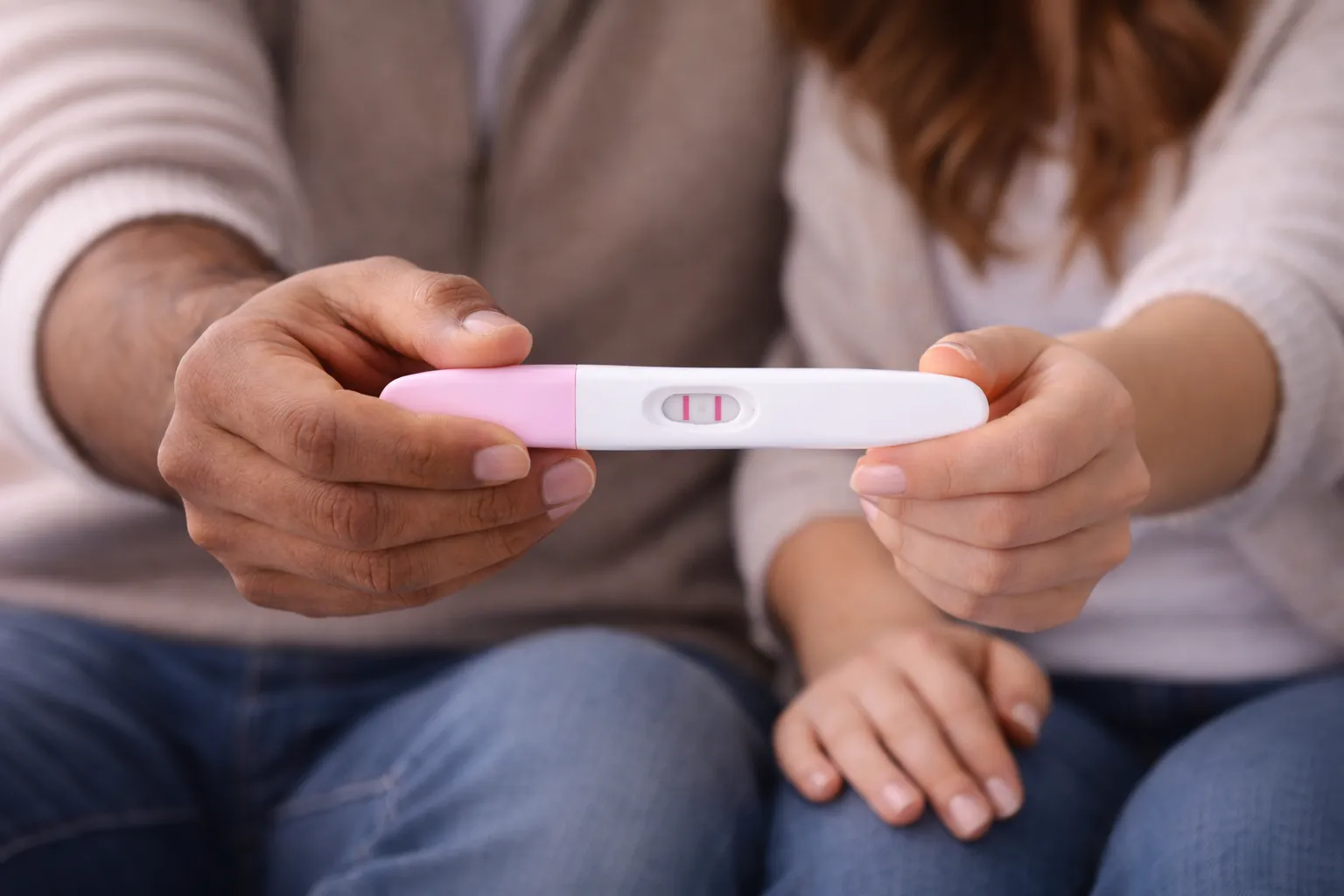
How does infertility treatment proceed?
How does infertility consultation work at “Ģimenes Sirds”?
You must book (reserve a time) for the initial infertility diagnostics and treatment visit and make the consultation payment through the link you will receive after booking.
After payment, a fertility questionnaire will be sent to the email address you provided. It must be completed by both of you no later than three days before the scheduled visit so that we have enough time to process your data.
This visit usually takes place remotely (after agreeing with you on the format — WhatsApp, Google Meet, or Zoom). During the consultation, an individual diagnostic plan — and possibly also a treatment plan — is created, the timing and type of the next visits are arranged, and further recommendations are provided.
What is a fertility management consultation for couples experiencing reduced fertility?
This consultation is indicated for couples who are assigned to it during the initial infertility diagnostics and treatment visit, or for couples who choose it as their first visit in order to understand whether there is a fertility problem or not.
Fertility-management consultations for couples with reduced fertility include an initial consultation and at least two follow-up consultations in order to observe 2–3 menstrual cycles and identify possible issues.
During the initial consultation, the couple is introduced to the basics of the woman’s menstrual cycle and the biomarkers of cycle-related hormone activity, so that cycle observation and identification of potential problems can be performed.
The most suitable cycle-tracking system for the couple is chosen, and introductory instructions on how to perform cycle observations are provided.
In the following consultations, the cycle observations made since the previous visit are reviewed, and correct charting of the observations is clarified.
Possible ovulation is evaluated, as well as how the woman’s hormonal fluctuations in the cycle can be identified based on the recorded observations, and how to determine the potential time of ovulation.
Recommendations are given regarding how and when to perform hormonal measurements, if needed.
If fertility disorders are identified, the couple is then referred to an infertility diagnostics and treatment visit.